
If you run a kitchen in Saint John, sourcing restaurant supplies in Saint John is one of those jobs that never quite lands on the schedule — until you open the last sleeve of 12 oz cups on a Friday night. Uptown cafes, west-side pizzerias, caterers working the Trade and Convention Centre and the industrial kitchens out toward Grandview all need the same thing: reliable cases of packaging and disposables at a price that survives your food cost.
Here is a practical look at how foodservice supplies actually reach Saint John kitchens, what to keep on the shelf, and how to buy without tying up cash in stock you do not need.
Where do you buy restaurant supplies in Saint John?
Saint John operators generally have four options, and most end up using two or three of them at once:
- A wholesale packaging supplier. Case pricing on takeout containers, cups, cutlery, napkins and janitorial. Best cost per unit, but you buy by the case.
- A broadline food distributor. Handy because it arrives with your food order, but packaging is rarely their sharpest line.
- Big-box retail. Fine at 6 p.m. on a Saturday when you are out of foil. Painful as a habit.
- Cash-and-carry. Walk in, load up, drive out. No account minimums, no waiting on a truck.
Fulji Trading serves Saint John from a Moncton warehouse and cash-and-carry, which is roughly 158 km up Route 1 — about an hour and forty minutes of driving. That matters more than it sounds, because it means you can choose between a scheduled delivery and simply coming to get it.
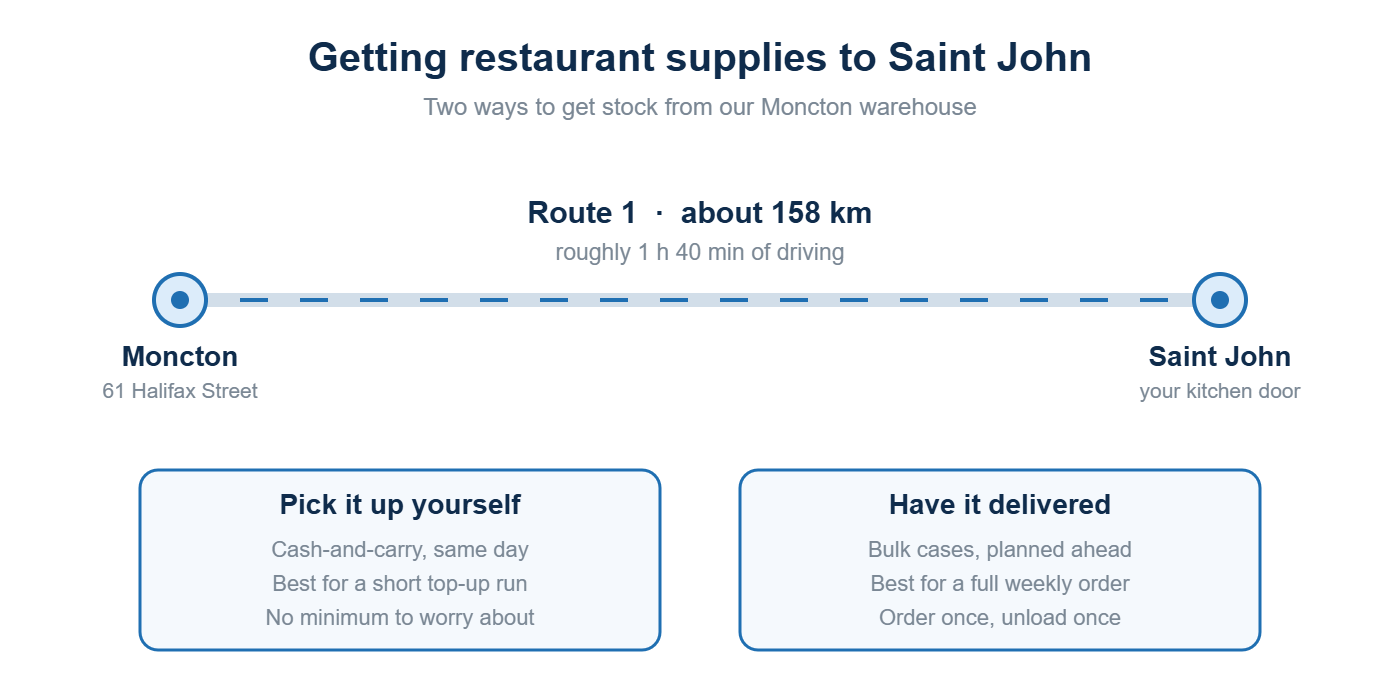
Pickup or delivery: which makes sense for your kitchen?
The honest answer is that it depends on how much you burn through and how much dry storage you have. A 40-seat cafe on Germain Street with a closet for a stockroom buys differently than a catering kitchen with a pallet's worth of space.
| Way of buying | Best for | Typical order | Watch out for |
|---|---|---|---|
| Cash-and-carry pickup (Moncton) | Top-ups, emergencies, testing a new product before committing | A few cases, same day | Fuel and two hours of someone's shift |
| Scheduled bulk delivery | Your regular weekly or biweekly restock | Full case counts across categories | Ordering deadlines — plan a day ahead |
| Retail top-up | The one item you forgot | Single packs | Two to four times the case unit price |
| Broadline food order | Convenience when you are already ordering food | Whatever they stock | Limited packaging range, higher landed cost |
Most Saint John kitchens land on a rhythm: one planned wholesale delivery to Saint John every one or two weeks, with a pickup run when something moves faster than expected.
What Saint John kitchens actually keep on the shelf
Different businesses, different core list. Here is what the three most common Saint John foodservice operations tend to hold.
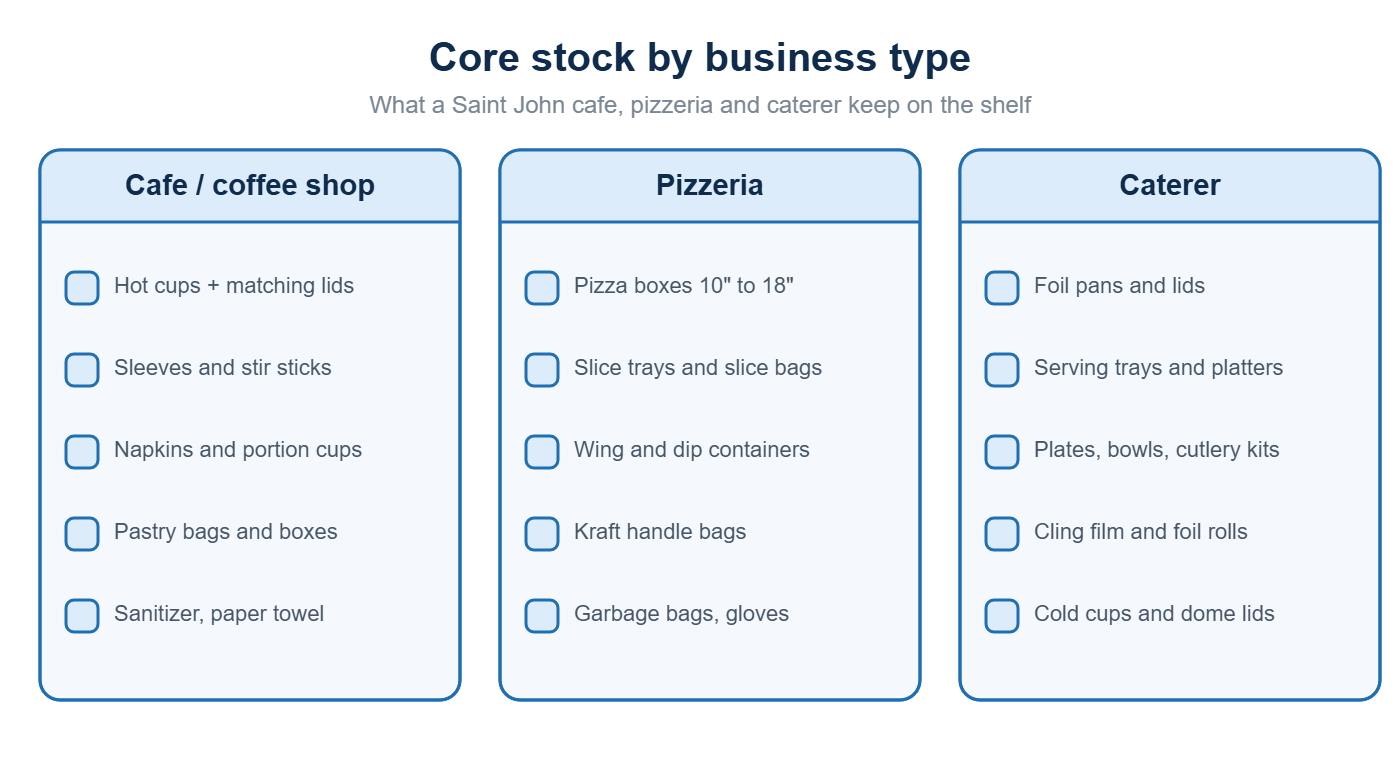
Takeout packaging is the biggest line
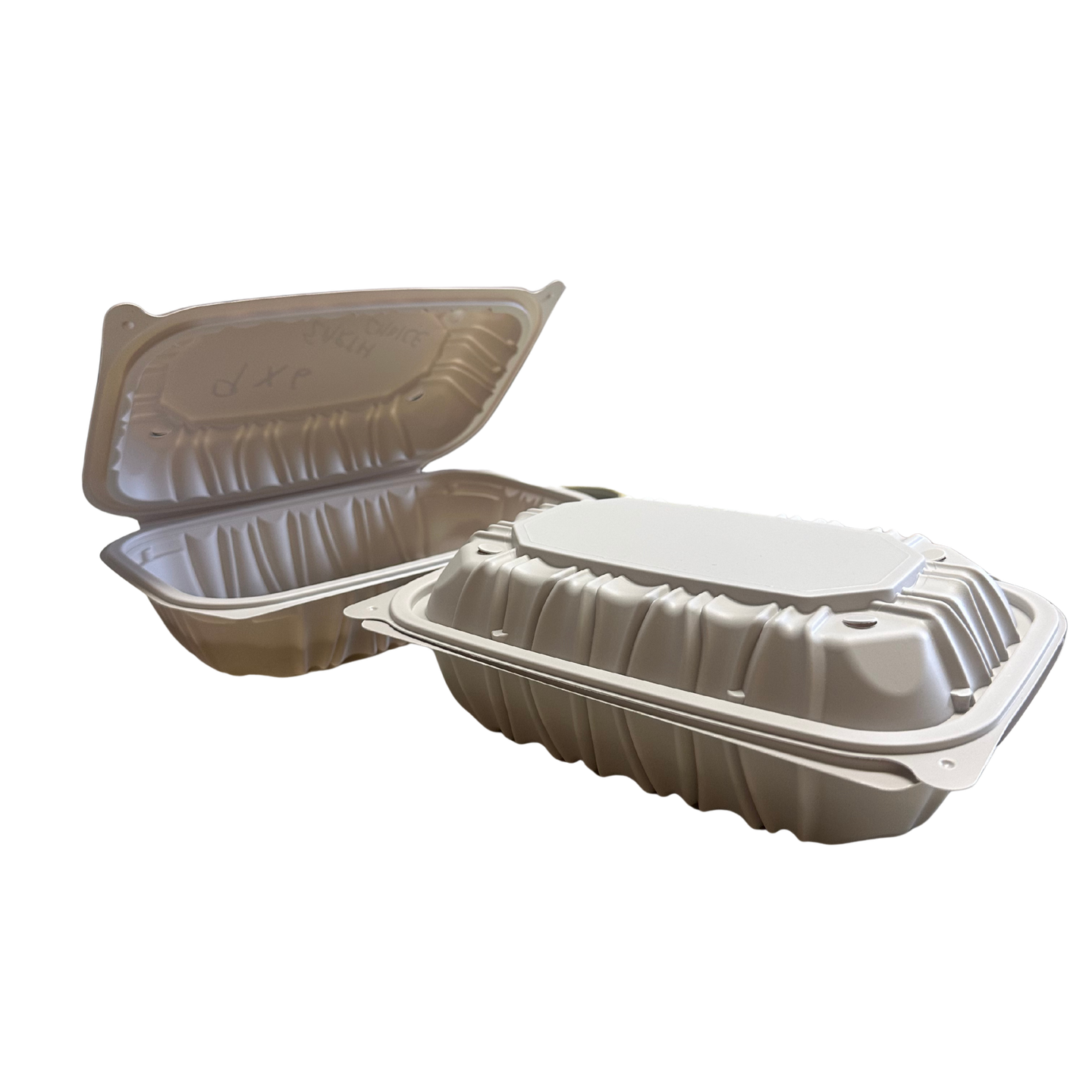
For most operators, containers are the single largest packaging spend. Hinged clamshells cover the majority of hot mains; deli containers handle sides, soups and dressings.
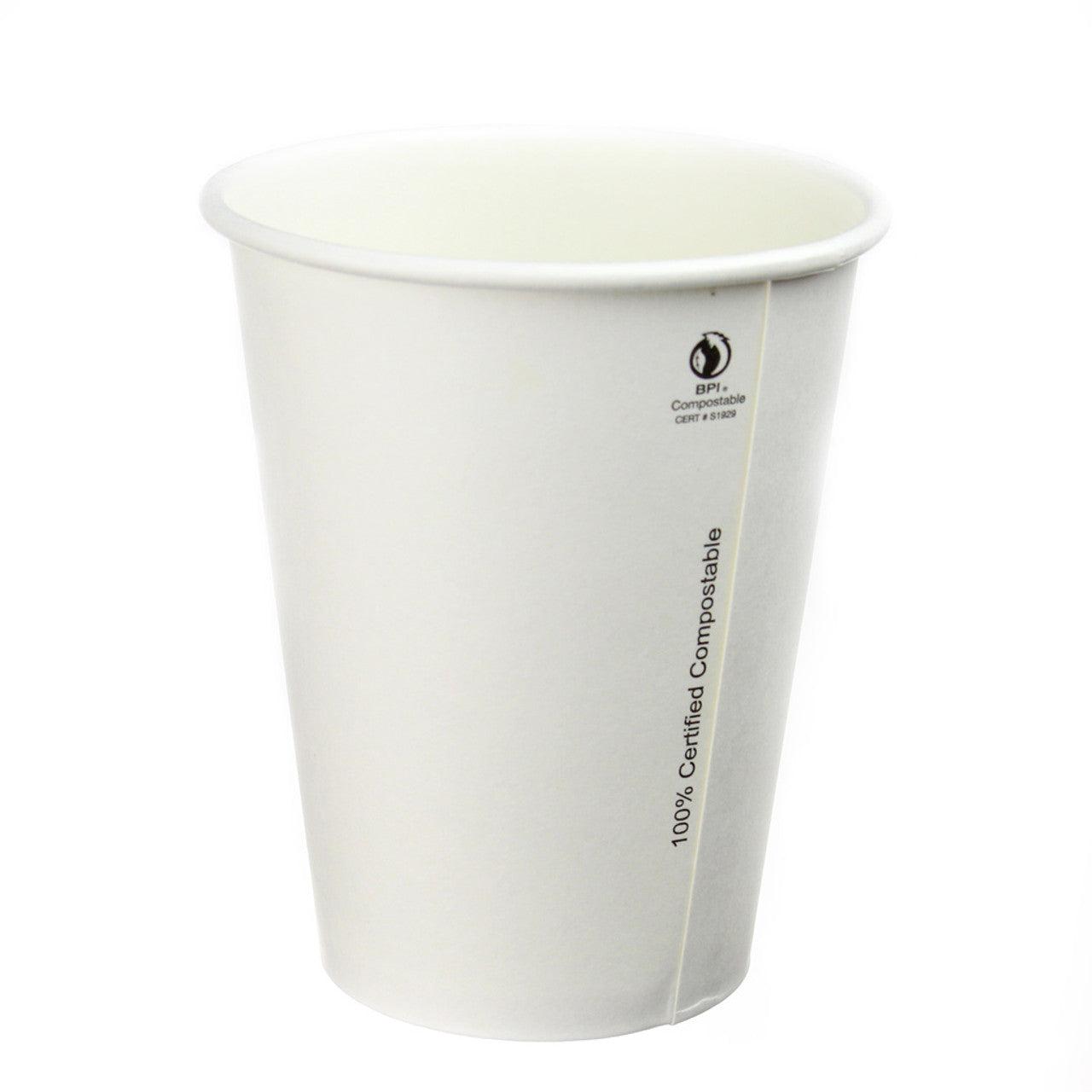
Cups and lids need to be bought as a pair
The most common ordering mistake we see is cups and lids arriving from different suppliers and not fitting. Order them together, and keep the rim diameter, not just the ounce size, in your notes.
Front of house and janitorial add up quietly
Napkins, paper towel, garbage bags and gloves rarely feel like a decision, but together they are often 20 to 30 percent of a disposables invoice. They are also the easiest place to overbuy.

How much should you order at once?
Work backwards from covers. If you serve 60 takeout orders a day and each one uses a container, a bag, a napkin set and a cutlery kit, that is roughly 1,800 of each per month. A 170-count case of clamshells is about three days of stock — so a two-week delivery cycle means 10 to 11 cases, plus a buffer.
Two rules that save money in a Saint John kitchen:
- Buy deep on the things that never change. Garbage bags, foil, napkins and gloves do not go stale and do not go out of style. Buy these in real volume.
- Buy shallow on anything menu-specific. Branded cups, seasonal containers, unusual sizes — order for a few weeks, not a few months.
If you want to put actual numbers to this, our guide on calculating par levels for disposables walks through the arithmetic properly.
Getting the compliance part right
Canada's single-use plastics regulations have already changed what you can buy. Checkout bags, cutlery, stir sticks, straws and hard-to-recycle foodservice ware — including expanded polystyrene containers — are covered by federal prohibitions, and the sale of the affected items has been phased out. The rules stayed in force through the court challenge, and in January 2026 the Federal Court of Appeal upheld the order they are built on — so this is settled ground, not a wait-and-see. If you are still working through leftover stock, or you are unsure whether a container you like is compliant, read our summary of the single-use plastics rules in Canada before you place a large order.
In practice, this means most Saint John kitchens have moved to paper, moulded fibre, sugarcane bagasse or recyclable plastic lines. The good news is the compliant options have improved a lot — bagasse holds heat and does not go soggy the way early versions did.
Setting up a wholesale account
Case pricing normally sits behind a trade account, which is just a way of confirming you are a business rather than a household buyer. Have your business name, address and a contact number ready. Once approved, you can browse and order from the wholesale foodservice catalogue at trade pricing, and place repeat orders without rebuilding the list every time.
If you cater rather than run a dining room, the packing list is different again — catering supplies lean much harder on foil pans, serving trays and transport-safe lids. Restaurants and pizzerias will find the range on the restaurant supplies page closer to what they need day to day.
A quick word on buying locally
Buying from an Atlantic Canada supplier is not sentiment — it is lead time. A supplier 158 km away can get you out of trouble on a Thursday. A national warehouse in Ontario usually cannot. We wrote more about that trade-off in why local sourcing matters for Atlantic Canada restaurants.
If you are pricing out restaurant supplies in Saint John right now, the fastest thing you can do is list your top ten items by volume and get case pricing on those. That is where the savings live — everything else is noise.